from HellsBelle@sh.itjust.works to world@lemmy.world on 02 Jan 2026 15:47
https://sh.itjust.works/post/52692198
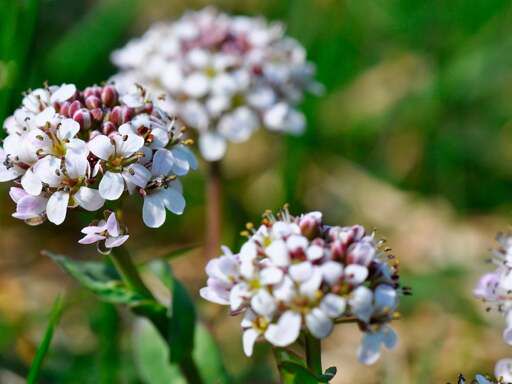
But alpine pennycress (Noccaea caerulescens) is notable for far more than its penny disguise. The plant is one of a select group — representing just 0.21 per cent of the world’s known vascular plant species — that have evolved the ability to pull impressive amounts of valuable metals out of the soil. Known to scientists as hyperaccumulators, these plants undergird a developing industry that is looking to help secure the vital metals we want without wrecking the planet in the process.
Hyperaccumulators come in all shapes and sizes. Petite alpine pennycress accumulates zinc and cadmium, while shrubby, moth-pollinated Phyllanthus rufuschaneyi — a plant so obscure and narrowly distributed that it doesn’t have a common name — targets nickel. Pycnandra acuminata, a tree native to New Caledonia, has sap so nickel-rich that it “bleeds” a vibrant blue-green and is known as sève bleue, or blue sap, in French. Meanwhile, common buckler-mustard (Biscutella laevigata) collects thallium, and the cobalt wisemany (Haumaniastrum robertii), a plant in the mint family native to the Democratic Republic of Congo, pulls up copper and cobalt.
In all, researchers have identified plants that hyperaccumulate arsenic, cadmium, cerium, copper, cobalt, lanthanum, manganese, neodymium, nickel, selenium, thallium and zinc. Many of these are among the so-called critical minerals that are needed to build batteries and other components for electric vehicles, wind turbines, solar panels and other facets of the green energy transition. They also include the metals that scientists warn could run short and derail global decarbonization efforts.
#world
threaded - newest