from HellsBelle@sh.itjust.works to world@lemmy.world on 10 Mar 12:43
https://sh.itjust.works/post/56568754
On a steep hillside in western El Salvador, Oscar Leiva watches rainfall in December, a month that once marked the start of the dry season. During this harvest cycle, flowering came early and then stalled. A heatwave followed. What remains of the crop is uneven, lower in quality and more expensive to produce than the last.
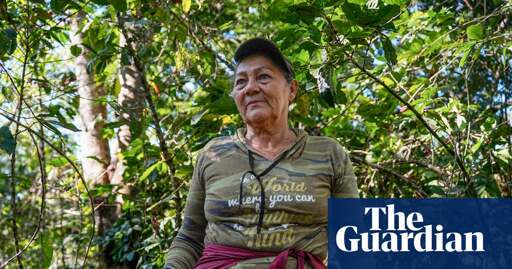
For Leiva and his family, coffee has never been just a crop. His mother, Marina Marinero, remembers when the rains arrived on schedule and the harvest could be planned months in advance. Today, the calendar no longer holds. Decisions about pruning, fertilising and hiring labour feel like educated guesses. Each mistake carries a cost the family cannot afford.
For generations, coffee shaped El Salvador’s rural economy, structuring land use, labour and exports across much of the country. By the mid-1970s, El Salvador ranked among the world’s leading coffee producers, with harvests exceeding 5 million quintales (a quintal is equivalent to about 46kg). Now, national production struggles to reach 1 million quintales. The decline reflects more than market cycles.
“When prices keep producers at subsistence level,” she says, “adaptation becomes impossible.”
#world
threaded - newest
This sucks but maybe climate change will get real when everyone has no more coffee.
You think people are mad now…