from Sepia@mander.xyz to world@lemmy.world on 02 Feb 17:59
https://mander.xyz/post/46706116
cross-posted from: mander.xyz/post/46706103
“Iran is experiencing not one environmental crisis but the convergence of several: water shortages, land subsidence, air pollution and energy failure. All added together, life is a struggle for survival.”
This is the situation inside Iran as described by Nima Shokri, an environmental engineer who works on global challenges related to the environment. Shokri highlights a rarely discussed factor in relation to this year’s massive protests across Iran: the severe challenges Iranians are struggling with every day, affecting their ability to simply carry on living.
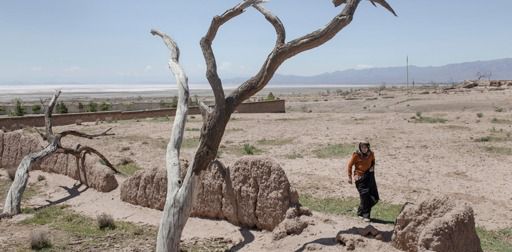
The air is polluted, the water is drying out and the land collapsing. Many Iranian farmers have been forced to give up their homes and land, and flee to the edges of cities in the hope of just surviving. Their land is cracking and disappearing, and it is no longer possible to grow crops or keep animals alive.
City dwellers are struggling with major water shortages too. On top of that extremely high air pollution levels are forcing hospitals and schools to close, and rising numbers of medical cases are being linked to bad air.
…
Of course, these air, land and water issues are not the only reason why thousands of people are on the streets of this country, where they must live with the decisions of a government that wants to decide who is allowed to walk on the streets and what people, women especially, are allowed to wear.
…
But these basics of having clean water and air that you can breathe without damaging your health are impossible for anyone to ignore.
…
Iran’s leaders have made policy choices over the years that have escalated the environmental challenges that many around the world are seeing, such as reduced rainfall. Water intensive agriculture has been encouraged, groundwater has been excessively pumped out, heavy fuel used, and environmental regulation has been weak.
As environmental journalist Sanam Mahoozi and chemical engineer Salome M.S. Shokri-Kuehni wrote, along with Shokri, a few weeks ago, early in January 2026 Iran’s capital ranked as the most polluted city in the world.
Local media were reporting more than 350 deaths linked to worsening air quality over ten days during December 2025. And studies indicate that more than 59,000 Iranians die prematurely every year from air pollution-related illnesses.
The Iranian government has failed to protect its people from these escalating crises. In fact, as the three authors argue, its decisions has put them at more risk. And these day-to-day survival issues along with escalating political repression and economic fragility has left desperate people desperate for change, and a country on the edge of collapse.
…
#world
threaded - newest